info@csppm.com
CSPPM-18+ years of focus on R&D and manufacturing of pressure、level and weight sensor
2025-10-12
When selecting an industrial pressure transducer, partnering with a reliable pressure transmitter manufacturer is crucial to ensure accurate and stable performance tailored to your application needs. The right manufacturer combines advanced technology with customizable solutions, providing devices that meet rigorous industrial standards. This guide explores essential factors such as accuracy, pressure characteristics, and interface options, helping you make an informed decision.
Accuracy, Stability, Repeatability, and Hysteresis
One of the most critical parameters when choosing an industrial pressure transducer is its measurement precision. Accuracy determines how close the transmitter’s output is to the actual pressure value, which directly impacts process control and safety. Stability refers to the sensor’s ability to maintain accuracy over time, while repeatability ensures consistent measurements under identical conditions. Hysteresis, the difference in output when pressure is increasing compared to decreasing, must be minimized for precise control.
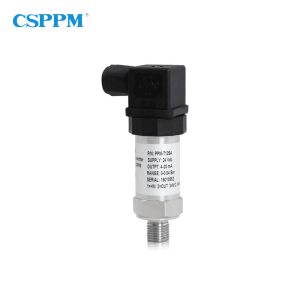
A reputable pressure transmitter manufacturer will specify these parameters clearly. For example, devices like the PPM-T126A low-cost industrial pressure transmitter utilize advanced MEMS packaging and compensation technology, enhancing accuracy and long-term stability. Selecting such a sensor ensures reliable performance in demanding environments.
Static vs. Dynamic Pressure Characteristics
Understanding the difference between static and dynamic pressure characteristics is vital for selecting a pressure transmitter adapted to your process. Static pressure refers to the steady-state pressure in a system, while dynamic pressure involves fluctuating or transient pressures due to pulsations or rapid changes.
Industrial pressure transducer designed primarily for static pressure measurement may not perform accurately under dynamic conditions. Conversely, transmitters with fast response times and low hysteresis are better suited for dynamic pressure monitoring. Depending on your application—whether monitoring steady steam pressure or detecting rapid pressure spikes—you must select a transmitter capable of handling these conditions without signal distortion or lag.
Interface, Signal, and Mounting Options
The interface and signal output options of an industrial pressure transducer affect integration ease and compatibility with control systems. Pressure transmitters typically offer analog outputs such as 4-20 mA or 0-10 V, and increasingly, digital communication protocols are also available for advanced process automation.
Mounting options are equally important for installation flexibility. A pressure transmitter manufacturer often provides a range of process connections and mechanical fittings to ensure secure and leak-free installation. Customization services further enhance compatibility with specific equipment or piping systems.
Conclusion
Selecting the right industrial pressure transducer involves evaluating accuracy, stability, pressure characteristics, and interface options to ensure optimal performance in your application. Partnering with an experienced pressure transmitter manufacturer provides access to advanced technology and tailored solutions, which are essential for reliable pressure measurement and control.
CSPPM Sensor, a trusted name in the industry, offers the PPM-T126A low-cost industrial pressure transmitter that balances performance and affordability. Featuring sensing elements, MEMS technology, and flexible customization, CSPPM Sensor products are well-suited for diverse applications involving gases, liquids, and steam under various pressure conditions. Choosing CSPPM Sensor ensures that your pressure measurement needs are met with precision and stability.
No. 188, Huanbao Road, Yuhua Zone, Changsha, Hunan, China
+86-731-82561520
info@csppm.com
Subscribe to our newsletter for discounts and more.


 English