info@csppm.com
CSPPM-18+ years of focus on R&D and manufacturing of pressure、level and weight sensor
2025-10-17
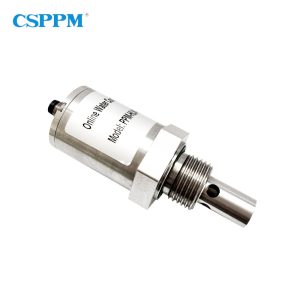
Among CSPPM Sensor’s many cutting-edge sensing products is the well-respected PPM-HLW-2B Online Water Content Sensor, which boasts exceptional stability, sensitivity, and grounding technology. In challenging industrial situations, high accuracy pressure sensor performance is vital, and our dedication to precision extends to pressure measurement.
Higher Calibration and Traceability Requirements for High-Precision Equipment
The evolving demands for accuracy in industrial processes necessitate stricter calibration and traceability protocols for high-precision pressure transmitters. Pressure transmitter calibration must comply with enhanced standards to ensure measurement accuracy over time. Traceability to national and international standards enables reliable comparisons and validations of pressure sensors. For high accuracy pressure sensor devices, this means implementing rigorous calibration intervals and maintaining detailed calibration records to guarantee consistent performance.
Reducing Drift, Hysteresis, and Aging Through Design, Structure, and Materials
Drift, hysteresis, and sensor aging can significantly impact the long-term accuracy of pressure transmitters. Effective design strategies include selecting materials with minimal thermal expansion and corrosion resistance, as well as optimizing sensor structure to reduce mechanical stresses. Advanced manufacturing techniques and robust assembly processes also contribute to minimizing these effects. By addressing these factors, the reliability of the high accuracy pressure sensor is improved, reducing the frequency of pressure transmitter calibration and lowering maintenance costs.
Practical Challenges in Asia and the Middle East
Operational environments in Asia and the Middle East present unique challenges for maintaining high accuracy pressure sensor performance. Extreme temperatures, humidity, and exposure to corrosive substances can accelerate sensor degradation and affect calibration stability. Additionally, access to calibration facilities and traceability standards can be limited in some regions, complicating pressure transmitter calibration efforts. Addressing these challenges requires customized calibration strategies and local support infrastructure to ensure long-term measurement accuracy.
Best Practices and Operational Guidelines for High-Precision Transmitter Calibration and Accuracy Assurance
To maintain consistent accuracy, it is essential to establish best practices in pressure transmitter calibration. This includes performing regular zero and span checks, utilizing certified calibration equipment, and following manufacturer-recommended calibration intervals. Proper installation and handling also play a critical role in preserving sensor stability. Documenting calibration procedures and outcomes supports quality control and regulatory compliance. Through these guidelines, users can extend the operational life and reliability of high accuracy pressure sensors in various applications.
Conclusion
Ensuring the long-term accuracy of high-precision pressure transmitters requires a comprehensive approach that incorporates stringent pressure transmitter calibration, advanced sensor design, and adaptation to environmental challenges. CSPPM Sensor continues to support industries by providing reliable, high accuracy pressure sensor technologies and expert guidance on calibration strategies, helping maintain measurement integrity in diverse and demanding conditions.
No. 188, Huanbao Road, Yuhua Zone, Changsha, Hunan, China
+86-731-82561520
info@csppm.com
Subscribe to our newsletter for discounts and more.


 English