info@csppm.com
CSPPM-18+ years of focus on R&D and manufacturing of pressure、level and weight sensor
2025-10-14
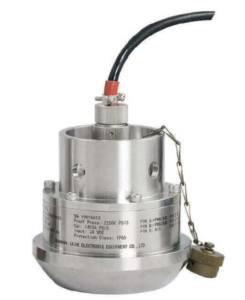
The oil and gas industry demands precision and durability in its measurement instruments, especially in extreme environments such as on-shore and off-shore rigs. The Model PPM-T276A “2002” Ultra-high Pressure Hammer Union Pressure Transmitter exemplifies this requirement. Built with all-welded stainless steel and specialized anti-corrosion materials, it withstands high temperatures and corrosive drilling media to deliver reliable performance. This guide focuses on the practical aspects of hammer union sensor installation, maintenance, and replacement, drawing on field experiences with these robust pressure sensors.
Impact Installation and Sealing
Proper hammer union sensor installation is critical to ensuring accurate pressure readings and system integrity. The installation process must consider impact forces generated during assembly. The hammer union pressure sensor is designed to withstand such impacts without compromising the sensor housing or internal electronics. A secure sealing mechanism prevents leaks and protects the sensor from harsh environmental exposure. Field technicians should ensure the sealing surfaces are clean and free from debris before assembly to maintain optimal sealing performance. This careful attention reduces the risk of sensor failure and extends operational life.
On-Site Protection, Anti-Clogging, and Flush Strategies
During operation, hammer union pressure sensors are subject to clogging and contamination from drilling fluids and particulates. Effective on-site protection strategies include the use of flush ports and anti-clogging filters integrated into the sensor housing. Regular flushing with clean fluid helps remove deposits that could obstruct the sensor port, maintaining measurement accuracy. Field operators should establish routine flushing schedules and inspect anti-clogging elements during maintenance to prevent sensor downtime. Such preventive measures are essential for sustaining the reliable function of hammer union sensors in demanding drilling environments.
Quick Replacement and Modular Design
The modular design of modern hammer union pressure sensors facilitates quick replacement in field conditions, minimizing operational disruption. Components such as the sensor module, sealing elements, and connectors are designed for ease of disassembly and reassembly without specialized tools. This feature allows maintenance teams to swap out faulty sensors rapidly or upgrade components on-site. The hammer union sensor installation process benefits from this modularity, enabling streamlined procedures that reduce labor time and enhance safety. Proper training on modular system handling is recommended to maximize these advantages.
Conclusion
Efficient field installation, disassembly, and maintenance of hammer union pressure sensors are essential for reliable pressure monitoring in oil and gas drilling operations. Impact-resistant sealing, on-site protection against clogging, and modular design for quick replacement are all key factors that contribute to sensor longevity and performance. The Model PPM-T276A “2002” Ultra-high Pressure Hammer Union Pressure Transmitter embodies these qualities, engineered specifically for the challenging conditions of drilling rigs. CSPPM Sensor continues to support industry needs by providing durable, high-performance hammer union sensors paired with practical installation and maintenance solutions.
No. 188, Huanbao Road, Yuhua Zone, Changsha, Hunan, China
+86-731-82561520
info@csppm.com
Subscribe to our newsletter for discounts and more.


 English