info@csppm.com
CSPPM-18+ years of focus on R&D and manufacturing of pressure、level and weight sensor
2026-03-17
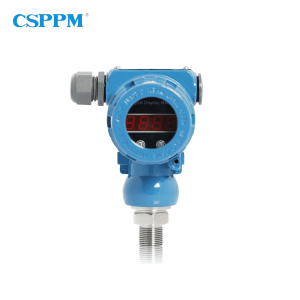
Pressure sensors play a critical role in ensuring the accuracy and safety of a wide range of industrial and commercial processes. However, just like any piece of equipment, pressure sensors have a limited lifespan. Regular maintenance and proper monitoring can extend their usefulness, but understanding when to replace a pressure sensor is essential. At CSPPM Sensor, we focus on providing high-quality pressure sensors like the PPM-T230E Explosion-proof Intrinsically Safe Pressure Transmitter, which is widely used in hazardous environments. In this article, we will discuss the pressure sensor lifespan and offer guidance on identifying when your pressure sensor needs to be replaced.
Understanding the Lifespan of Pressure Sensors
The pressure sensor lifespan is influenced by various factors, including environmental conditions, frequency of use, and the nature of the measured medium (gas or liquid). For instance, sensors exposed to harsh chemicals or extreme temperatures might degrade faster than those used in more stable environments. Generally, a pressure sensor can last anywhere from a few years to over a decade. Regular calibration and routine inspections help to maintain sensor accuracy and extend its operational lifespan. However, once the sensor’s accuracy begins to waver, it might be time to consider a replacement.
Signs That Indicate Your Pressure Sensor Needs Replacement
A pressure sensor may require replacement if certain signs become evident. Common indicators include fluctuating readings, poor calibration stability, and mechanical damage. Additionally, sensors that no longer respond to pressure changes accurately or drift outside their expected range should be closely inspected. If such issues persist even after recalibration, it could signal that the pressure sensor lifespan has come to an end. It’s essential to track the sensor’s performance over time and replace it promptly to avoid compromising the entire system’s functionality.
Maintenance Practices to Extend Sensor Life
Routine maintenance can significantly extend the life of a pressure sensor. Cleaning the sensor regularly, ensuring that it’s correctly calibrated, and using it within the recommended pressure range can help prevent premature wear. For instance, our PPM-T230E Explosion-proof Intrinsically Safe Pressure Transmitter offers durability in hazardous settings, and regular checks can ensure its ongoing performance. It’s also advisable to use high-quality protective housing and to avoid exposing the sensor to conditions beyond its specifications. Following these simple maintenance guidelines can reduce the frequency of replacements and save on costs in the long term.
Conclusion
Understanding the pressure sensor lifespan and implementing proper maintenance practices are crucial for avoiding unexpected failures. At CSPPM Sensor, we recommend regular checks to assess whether a pressure sensor has reached the end of its useful life. Early detection of performance issues and proactive maintenance can enhance sensor reliability, reduce downtime, and increase the overall efficiency of your system. By taking these steps, you ensure that your equipment remains safe and functional for longer periods, reducing the need for frequent replacements.
No. 188, Huanbao Road, Yuhua Zone, Changsha, Hunan, China
+86-731-82561520
info@csppm.com
Subscribe to our newsletter for discounts and more.


 English