info@csppm.com
CSPPM-18+ years of focus on R&D and manufacturing of pressure、level and weight sensor
2025-11-12
Industrial pressure sensors are critical components in numerous sectors, particularly where accurate pressure measurement under harsh conditions is essential. However, deploying these devices in extreme environments presents unique challenges that must be addressed to ensure reliability and longevity. This article explores the key considerations and solutions for using industrial pressure sensor in harsh conditions, focusing on temperature and humidity extremes, protective design features, and environmental resistance ratings.
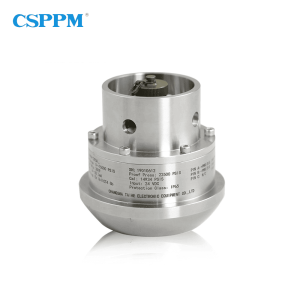
Managing High/Low Temperature, Humidity, and High Voltage Challenges
Industrial pressure sensors for extreme environments often operate in settings with wide temperature fluctuations, from freezing cold to intense heat. These conditions can affect sensor accuracy, material integrity, and electronic stability. Additionally, high humidity levels and exposure to moisture can cause corrosion and electrical short circuits. High voltage environments introduce risks of interference and damage to sensor electronics. Solutions include selecting materials with high thermal stability and implementing temperature compensation techniques to maintain measurement accuracy. Protective coatings and sealed housings help guard against moisture ingress, while robust electrical isolation and shielding mitigate high voltage risks.
Thermal Insulation, Protection, and Temperature Compensation Design
Thermal insulation is a vital design element for pressure sensors in extreme environments. Insulated housings prevent rapid temperature changes from affecting sensor components, thus enhancing stability. Protective design also includes shock and vibration resistance, which is crucial in industrial settings such as oilfields or heavy machinery. Temperature compensation circuits or software algorithms are integrated to adjust sensor readings dynamically, ensuring precision despite environmental fluctuations. These combined design strategies help extend sensor life and maintain consistent performance under demanding conditions.
Explosion-Proof, Dust-Proof, and Waterproof Ratings
Industrial pressure sensors deployed in hazardous environments must comply with stringent safety standards. Explosion-proof designs are essential in environments with flammable gases or dust, preventing sensor components from igniting vapors or particulates. Dust-proof and waterproof ratings, such as IP67 or higher, ensure that sensors can resist ingress of dust and water, which can otherwise degrade performance or cause failures. Proper sealing techniques, ruggedized enclosures, and certified safety approvals are critical to achieving these protective qualities. These features enable industrial pressure sensors to function reliably in the most challenging settings, including oilfields, chemical plants, and outdoor installations.
Conclusion
For demanding applications requiring robust measurement under harsh conditions, pressure sensors for extreme environments must be carefully selected and designed with comprehensive protective features. By addressing challenges related to temperature extremes, humidity, high voltage, and environmental hazards, these sensors deliver reliable performance and durability. CSPPM Sensor offers specialized products such as the PPM-T293A 1502 Hammer Union Pressure Sensor, designed specifically for extreme oilfield operations. With high-pressure compatibility up to 20,000 psi and engineered for explosion-proof, dust-proof, and waterproof operation, CSPPM Sensor supports industries in maintaining precise, safe, and consistent pressure monitoring in the most challenging environments.
No. 188, Huanbao Road, Yuhua Zone, Changsha, Hunan, China
+86-731-82561520
info@csppm.com
Subscribe to our newsletter for discounts and more.


 English