info@csppm.com
CSPPM-18+ years of focus on R&D and manufacturing of pressure、level and weight sensor
2026-03-21
Pressure sensors are critical components in various industrial applications, especially when monitoring and controlling operations under harsh conditions. For many applications, such as oil and gas, automotive, and manufacturing, sensors need to provide accurate readings, even in extreme environments. Drift in pressure sensors is one of the main challenges in these scenarios. At CSPPM Sensor, we have developed advanced techniques to minimize this drift, ensuring that high accuracy pressure sensors continue to perform reliably under difficult conditions. In this article, we will explore the causes of sensor drift and how it can be reduced for more accurate and dependable readings.
Understanding Sensor Drift and Its Causes
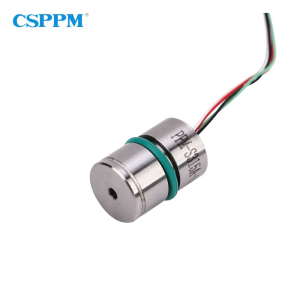
Sensor drift refers to the gradual change in a sensor’s output over time, even if the actual measured variable remains constant. The most common factors contributing to drift in pressure sensors include temperature fluctuations, vibration, and contamination. Specifically, high accuracy pressure sensors like the PPM-S315A 150 ℃ High Temperature Pressure Transducer, which operates at temperatures ranging from -40 ℃ to +150 ℃, can experience drift due to extreme environmental conditions. The PPM-S315A’s performance can be significantly affected by its operating environment, especially if it is exposed to rapid temperature changes or pressure fluctuations.
By identifying and addressing these causes, it’s possible to maintain the precision of the sensor’s readings. Sensor drift is not always avoidable, but steps can be taken to reduce its impact and improve sensor longevity.
Strategies for Reducing Drift in Pressure Sensors
One of the most effective ways to reduce sensor drift in high accuracy pressure sensors is through the use of temperature compensation. The PPM-S315A 150 ℃ High Temperature Pressure Transducer, for instance, comes equipped with built-in temperature compensation, which helps to ensure stable readings even when exposed to a wide range of operating temperatures. Furthermore, using high-quality materials and components that can withstand thermal expansion and contraction helps mitigate drift caused by extreme temperature changes.
Another strategy is the careful design of the sensor’s housing and seals to prevent contamination. Contaminants, such as dust, moisture, or oil, can impact sensor accuracy. By using durable, resistant materials and sealing techniques, sensor drift reduction can be minimized, ensuring the sensor remains operational over time.
Lastly, regular calibration and maintenance are crucial. Regular checks help to identify any potential drift before it becomes a significant problem. With sensors like the PPM-S315A, maintaining an accurate output signal (ranging from 1.8 ± 0.2mV/V to 4 ± 0.5mV/V) relies on consistent calibration and periodic testing.
The Role of Advanced Calibration Techniques in Reducing Drift
At CSPPM Sensor, we leverage advanced calibration techniques to further reduce sensor drift. These techniques involve recalibrating sensors in real-world conditions, ensuring that they perform optimally under operational pressures. For high accuracy pressure sensors, it’s essential that calibration accounts for both dynamic and static loads. Advanced software tools are used to simulate environmental conditions, predicting how the sensor will behave under different pressures and temperatures. This predictive calibration ensures that the PPM-S315A remains accurate and reliable over time.
Additionally, using feedback loops during the sensor’s operation helps to detect and correct any drift. These feedback loops ensure that the sensor maintains its original calibration, even under prolonged exposure to extreme environmental factors.
Conclusion
In conclusion, sensor drift reduction is crucial for maintaining the performance of high accuracy pressure sensors, especially in extreme conditions. By understanding the causes of drift, employing temperature compensation, and investing in regular calibration and maintenance, the accuracy of sensors like the PPM-S315A can be maintained over time. At CSPPM Sensor, we are committed to providing sensors that deliver precise and consistent performance, even in the harshest environments. With the right strategies in place, sensor drift can be minimized, ensuring the reliability of critical measurements in industrial applications.
No. 188, Huanbao Road, Yuhua Zone, Changsha, Hunan, China
+86-731-82561520
info@csppm.com
Subscribe to our newsletter for discounts and more.


 English