info@csppm.com
CSPPM-18+ years of focus on R&D and manufacturing of pressure、level and weight sensor
2025-10-11
Focused on advanced pressure sensing technologies, CSPPM Sensor provides reliable and accurate solutions for industrial applications. Designed for precision, our products—such as the PPM-T330A℃ Temperature and Pressure Transmitter—feature miniaturization, high sensitivity, and fast response times. By emphasizing quality and customization, CSPPM Sensor supports various industries to ensure optimal performance of their pressure measurement systems.
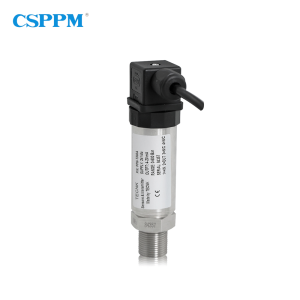
Zero Drift and Span Drift in Steam Pressure Transmitters
One of the most frequent issues encountered with steam pressure transmitter is zero drift and span drift. Zero drift occurs when the sensor’s baseline reading shifts over time, even when no pressure is applied, whereas span drift refers to the change in the sensor’s output across its measurement range. These drifts can result from temperature fluctuations, aging components, or mechanical stress. During pressure transducer troubleshooting, it is essential to regularly calibrate the device and verify baseline readings to detect and correct these drifts. Proper installation and stable operating environments can also minimize these effects.
Discoloration, Blockage, and Leakage of the Seal
Steam pressure transmitters often experience scaling and clogging as a result of pollutants or mineral deposits in the steam. Inaccurate readings or sensor failure may occur if these deposits obstruct the pressure port or damage the diaphragms of the sensors. Pressure loss and contamination caused by a leaking seal, which is usually the consequence of a defective or worn seal, can lead to unusual sensor behavior. In order to keep the accuracy and lifespan of the pressure transducer, it is necessary to examine and clean the ports of the sensor on a regular basis and to perform periodic maintenance on the seals.
Abnormal Output Signal and Transmission Failure
Abnormal output signals or complete transmission failure can stem from wiring issues, electrical noise, or sensor damage. Faulty connections or cable deterioration can interrupt the signal path, while electromagnetic interference can distort the sensor output. Diagnosing these issues involves checking electrical continuity, signal integrity, and grounding. Using shielded cables and ensuring proper installation reduces the risk of transmission failure. When abnormal output signals persist, replacing the sensor or its components may be necessary to restore correct function.
On-site Maintenance and Repair Methods
Effective on-site maintenance for steam pressure transmitters includes routine visual inspections, cleaning, recalibration, and seal replacement. Pressure transducer troubleshooting should start with verifying the sensor’s zero and span settings, followed by checking for physical damage or contamination. Cleaning should be done carefully to avoid damaging sensitive components. For more complex repairs, involving internal sensor elements or electronics, it is advisable to consult the manufacturer’s guidelines or professional technicians to prevent further damage.
Conclusion
Understanding common steam pressure sensor failures such as zero/span drift, scaling, clogging, seal leakage, and abnormal signals is vital for maintaining accurate and reliable steam pressure transmitters. Effective pressure transducer troubleshooting involves a systematic approach to calibration, cleaning, inspection, and electrical diagnostics. CSPPM Sensor, with its range of robust products like the PPM-T330A℃ Temperature and Pressure Transmitter, is dedicated to supporting efficient and precise pressure measurement solutions tailored to the needs of various industrial environments.
No. 188, Huanbao Road, Yuhua Zone, Changsha, Hunan, China
+86-731-82561520
info@csppm.com
Subscribe to our newsletter for discounts and more.


 English