info@csppm.com
CSPPM-18+ years of focus on R&D and manufacturing of pressure、level and weight sensor
2025-08-04
Calibrating a high-pressure pressure sensor is a critical process that ensures accurate measurements in demanding environments. At CSPPM, we understand the importance of precision in industrial applications, which is why we are dedicated to providing reliable solutions like our PPM-T232E ultra high pressure pressure transmitter. This article will guide you through the pressure transducer calibration process.
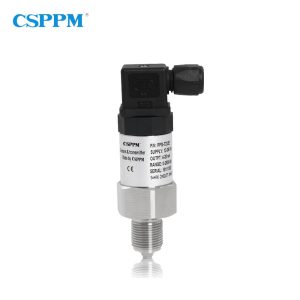
Understanding the PPM-T232E
The PPM-T232E is engineered to operate in ultra-high pressure environments, with a pressure range from 150 MPa to 1500 MPa. Constructed from specialized rare metal alloys and featuring an all-stainless steel welded package, this sensor is built to withstand extreme conditions. With long-term stability of ≤±0.5% FS/year and a wide operating temperature range of -40°C to +85°C (with optional extensions to 125°C or 300°C), it is perfect for demanding industrial applications.
Step-by-Step Calibration Process
Before starting the calibration process, ensure you have the following:
A calibrated reference pressure source
A pressure gauge to monitor readings
The PPM-T232E high pressure pressure sensor
Connection hoses and fittings
A multimeter (if applicable for output signal checks)
Ensure that the calibration environment is stable and meets the operational conditions of the sensor. This includes maintaining the temperature within the specified range and ensuring that there is no vibration or interference that could affect the readings.
Securely connect the PPM-T232E to the reference pressure source and the pressure gauge. Make sure all connections are tight to prevent leaks, which could lead to inaccurate readings.
Start by applying pressure slowly from the reference source. Begin at the lower end of the sensor’s range, such as 0 MPa, and gradually increase the pressure in increments. Monitor the readings on both the pressure gauge and the output signal from the PPM-T232E.
As you increase the pressure, record the output signal from the PPM-T232E at each increment. Compare these readings with the values displayed on the reference gauge. This data will be essential for adjusting the sensor’s calibration.
If discrepancies are found between the sensor output and the reference gauge, adjust the calibration settings on the PPM-T232E. This may involve tweaking the sensor’s output scaling or compensation settings. Refer to the manufacturer’s manual for specific instructions on how to make these adjustments.
Once adjustments are made, repeat the pressure application process, monitoring the readings again. Ensure that the sensor now accurately reflects the applied pressure. This verification step is crucial for confirming that the calibration has been successful.
After successful calibration, document all readings and adjustments made during the process. This record serves as a reference for future calibrations and helps maintain compliance with industry standards.
Conclusion
Calibrating a high pressure pressure sensor like the PPM-T232E is vital for ensuring accurate measurements in demanding environments. By following these steps, you can achieve reliable performance from your CSPPM sensor, enhancing the efficiency and safety of your industrial operations. With our commitment to quality and precision, you can trust CSPPM to provide the best high pressure pressure sensor solutions for your needs.
No. 188, Huanbao Road, Yuhua Zone, Changsha, Hunan, China
+86-731-82561520
info@csppm.com
Subscribe to our newsletter for discounts and more.


 English