info@csppm.com
CSPPM-18+ years of focus on R&D and manufacturing of pressure、level and weight sensor
2026-03-26
As we continue to refine our sensing solutions at CSPPM Sensor, the role of a low pressure sensor becomes increasingly important in applications that require stable monitoring of subtle pressure fluctuations. In many industrial environments, low-range detection allows systems to capture gradual variations that can influence performance, safety, and operational consistency. With our long-term experience in pressure measurement, we design each solution to handle dynamic working conditions while maintaining the accuracy needed for micro-pressure control. By integrating a low pressure sensor into daily operations, we help users optimize equipment behavior without the need for complicated installation or high-maintenance interfaces.
Practical Value of Low-Range Measurement
When we develop our sensing technologies, we focus on how a low pressure sensor improves real-time system behavior beyond simple data collection. In fluid management, HVAC systems, laboratory devices, and precise mechanical setups, low-range detection supports early awareness of pressure drift before larger deviations occur. This allows operators to adjust equipment output efficiently and prevent faults. Our approach emphasizes balanced sensitivity, stable output, and strong resistance to environmental interference. At the same time, we ensure the CSPPM Sensor design philosophy aligns with durability and compatibility, giving integrators the flexibility to use our products in both compact equipment and large-scale industrial assemblies. We believe a reliable low pressure sensor should serve as a foundational component that enhances monitoring performance without increasing user workload.
Product Example for Demanding Conditions
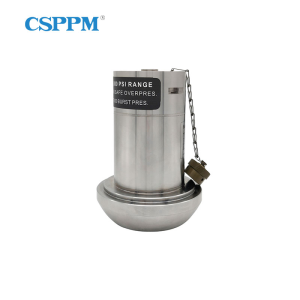
In addition to low-range products, we also manufacture transmitters for intense working environments, ensuring a complete sensing portfolio. One representative model is the PPM-T293F 1502 Hammer Union Pressure Transducer. This unit offers multiple pressure selections from 0–5000 psi up to 0–20000 psi and supports output formats such as 4-20mA, 1-5VDC, 0-10VDC, and millivolt signals. Designed for oil field operations, it performs reliably in temperatures from –40°C to 80°C, providing 0.25%FS or 0.5%FS accuracy depending on configuration. The hammer union fitting enables installation in drilling or servicing sites where rugged and fast-response sensing is essential. While this model operates in high-pressure scenarios, it reflects the same engineering mindset we apply to every low pressure sensor we create—consistent response, robust construction, and suitability for long-term operation.
Conclusion: Strengthening Precision Across Applications
In summary, our work at CSPPM Sensor focuses on delivering sensing tools that meet both micro-pressure and high-pressure needs. A low pressure sensor helps operators detect subtle variations that influence process stability, while our wider product range addresses more demanding environments. By applying reliable structure design, adaptable output formats, and dependable measurement performance, we support users who require accurate data and steady system behavior. Whether for industrial machinery, energy systems, laboratory devices, or specialized equipment, our low-range solutions contribute to precise monitoring and smoother operation.
No. 188, Huanbao Road, Yuhua Zone, Changsha, Hunan, China
+86-731-82561520
info@csppm.com
Subscribe to our newsletter for discounts and more.


 English