info@csppm.com
CSPPM-18+ years of focus on R&D and manufacturing of pressure、level and weight sensor
2025-10-16
CSPPM Sensor specializes in developing advanced pressure sensing solutions tailored for demanding industrial applications. Our products, including the PPM-T321 construction machinery pressure transducer, are engineered to withstand harsh environments featuring frequent pressure shocks, vibrations, and high overloads, while offering robust resistance to cavitation and water hammer effects. This expertise extends to ensuring reliable performance through effective waterproof design, a critical factor for pressure sensors deployed in challenging conditions.
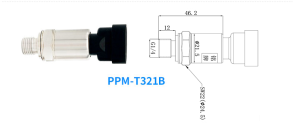
Understanding the Importance of Waterproof Ratings for Pressure Sensors
Waterproof and watertight properties are essential for pressure sensors to maintain accuracy, durability, and safety in environments exposed to liquids and moisture. The waterproof rating, commonly expressed as an Ingress Protection (IP) code, defines the level of protection a device offers against solids and liquids. For example, an IP67 pressure transmitter signifies complete dust tightness and protection against immersion in water up to 1 meter for 30 minutes. This rating is fundamental for pressure sensors operating in construction machinery, hydraulic systems, or outdoor installations where exposure to water and contaminants is frequent. Ensuring a waterproof pressure transducer meets these standards helps prevent failures caused by moisture ingress, corrosion, and short circuits.
Housing and Structural Sealing Design Techniques
Achieving a waterproof pressure sensor begins with the structural design of its housing. Materials selected for the enclosure must be corrosion-resistant and strong enough to withstand environmental stresses. Key sealing techniques include the use of O-rings, gaskets, and molded seals positioned strategically around sensor interfaces such as cable entries and sensor diaphragms. The choice of sealing material depends on the operating temperature range and chemical exposure expected. For example, elastomers like Viton or silicone rubber are common for their flexibility and durability. In an IP67 pressure transmitter, the housing and sealing must be rigorously tested to ensure no water penetration under specified conditions, guaranteeing long-term sensor reliability.
Waterproofing and Moisture-Proofing Strategies for Internal Components
Beyond the external housing, protecting internal circuits and components is equally critical. Techniques include conformal coatings that create a thin, protective layer over PCBs, preventing moisture accumulation and corrosion. Potting compounds can encapsulate sensitive electronics, providing additional mechanical stability and waterproofing. These materials must allow for thermal management to avoid overheating issues. For a waterproof pressure transducer, integrating these strategies ensures that even if moisture manages to breach the outer seal, internal components remain protected from damage and performance degradation.
Selection, Inspection, and Maintenance Recommendations
Selecting the right waterproof pressure sensor requires careful consideration of the IP rating and environmental conditions expected during operation. An IP67 pressure transmitter is suitable for most wet and dusty environments, but higher ratings may be necessary for more extreme conditions. Regular inspection of seals and housings should be part of routine maintenance to detect wear or damage early. Cleaning sensors to remove contaminants and checking for signs of moisture ingress can prevent unexpected failures. Additionally, it is important to follow manufacturer guidelines for installation and handling to preserve the waterproof integrity of the pressure transducer.
Conclusion
Waterproof design principles are vital for pressure sensors intended for harsh and moisture-prone environments. From understanding IP ratings to implementing robust sealing and protecting internal electronics, these technologies ensure sensor reliability and longevity. At CSPPM Sensor, we apply these principles rigorously in products like the PPM-T321 construction machinery pressure transducer, delivering dependable performance in challenging hydraulic and industrial settings. Our commitment to waterproof pressure transducer technology supports users demanding precision and durability in any operating condition.
No. 188, Huanbao Road, Yuhua Zone, Changsha, Hunan, China
+86-731-82561520
info@csppm.com
Subscribe to our newsletter for discounts and more.


 English