info@csppm.com
CSPPM-18+ years of focus on R&D and manufacturing of pressure、level and weight sensor
2026-03-24
As a new year begins, we review shifting project demands and update our approach to selecting pressure-measurement solutions. At CSPPM Sensor, we notice that customers increasingly seek stability and compatibility across complex industrial systems. When preparing a technical plan, we rely on a structured method similar to a sensor procurement guide, allowing us to evaluate each option from installation environment to long-term performance expectations. For many projects, an industrial pressure sensor becomes the core component supporting process accuracy and safe operation. By reassessing usage conditions at the start of the year, we ensure that every new deployment aligns with updated process goals and equipment upgrades.
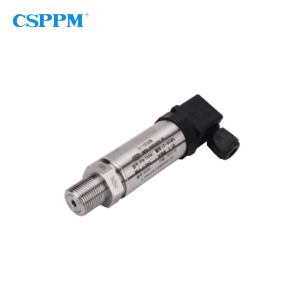
Key Factors When Comparing Sensor Performance
When evaluating different pressure-measurement devices, we use a step-by-step method to confirm whether a model fits practical operating conditions. As part of our internal sensor procurement guide, we examine signal output type, diaphragm material, pressure range, and electrical interface. For systems exposed to vibration or fluid pulsation, we prioritize models offering stable response curves, while high-temperature zones require enhanced structural durability. In these situations, a well-specified industrial pressure sensor helps us maintain predictable measurement behavior. For customers working with corrosive media or rapidly changing flow rates, we also highlight the importance of evaluating sealing design, overload tolerance, and compatibility with existing monitoring instruments. A single reference to CSPPM Sensor solutions in this stage helps users understand our approach toward practical engineering evaluation.
Ensuring System Integration and Long-Term Reliability
To support continuous production, we test component compatibility early in the procurement phase. Our method includes using the sensor procurement guide to identify calibration requirements and communication-protocol needs such as 4–20 mA, voltage output, or digital data formats. Selecting an industrial pressure sensor with suitable accuracy and drift control is essential for systems that operate year-round. Before confirming any purchase, we work through on-site conditions including mounting position, temperature influence, cable routing, and protection levels such as IP ratings. During these assessments, we demonstrate how a solution from CSPPM Sensor can match multi-industry applications without overwhelming the customer with unnecessary specifications. This structured workflow reduces troubleshooting time and keeps long-term maintenance predictable.
Conclusion – Building a Practical New Year Purchasing Strategy
In summary, choosing the right pressure-measurement device starts with recognizing updated project needs and applying a clear evaluation framework. By using a sensor procurement guide, we maintain focus on essential performance indicators and avoid overlooking installation constraints. An industrial pressure sensor suited to actual conditions supports stable operation across the entire production cycle. As we plan for the new year, CSPPM Sensor solutions allow us to integrate reliable measurement hardware into diverse engineering environments, helping our clients establish consistency and confidence in their monitoring systems.
No. 188, Huanbao Road, Yuhua Zone, Changsha, Hunan, China
+86-731-82561520
info@csppm.com
Subscribe to our newsletter for discounts and more.


 English