info@csppm.com
CSPPM-18+ years of focus on R&D and manufacturing of pressure、level and weight sensor
2025-11-05
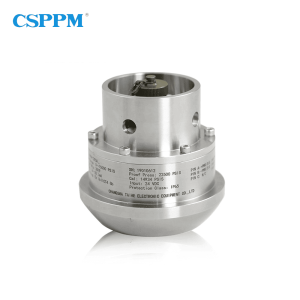
Consider the demanding environments where industrial equipment must operate: constant vibration, corrosive chemicals, and extreme temperatures. For a pressure sensor, these conditions test the limits of its construction, often leading to failure not of the core electronics, but of its protective shell. The science of sensor encapsulation technology is fundamentally what stands between a reliable device and a premature failure. At CSPPM Sensor, we view the packaging not as a mere container, but as the first line of defense in preserving the accuracy and longevity of our pressure sensor products.
Shielding Against Media Corrosion
A primary threat to any pressure sensor is direct contact with aggressive process media. Whether it’s saltwater, hydraulic fluid, or industrial chemicals, these substances can corrode sensitive components, leading to drift or total malfunction. Effective sensor encapsulation technology creates an impervious barrier against these threats. This involves selecting specific stainless steels for the diaphragm and employing specialized elastomers for seals that resist swelling and degradation. By creating a hermetic seal and using media-compatible materials, the encapsulation ensures the internal electronics remain isolated from harmful elements, significantly extending the device’s service life.
Mitigating Mechanical Stress and Vibration
In applications from factory automation to heavy machinery, mechanical shocks and persistent vibration are inevitable. These forces can loosen solder joints, damage micro-wires, and misalign internal components, resulting in erratic readings. The role of sensor encapsulation technology here is to immobilize and cushion the delicate core. This is often achieved through potting, where the internal cavity is filled with a resilient compound. This material absorbs kinetic energy and distributes stress, preventing component movement. A robustly encapsulated pressure sensor can therefore maintain stable performance even in high-vibration environments, reducing downtime for replacements and recalibrations.
Ensuring Stability Across Temperature Ranges
Temperature fluctuations cause materials to expand and contract at different rates, which can induce signal drift and measurement inaccuracies in a pressure sensor. Advanced sensor encapsulation technology addresses this through material science and design. The selection of housing materials with similar thermal expansion coefficients to internal parts minimizes internal stress. Furthermore, the design of the encapsulation must manage thermal conductivity, dissipating heat from sensitive areas to prevent hotspots. This careful management of thermal properties ensures the pressure sensor delivers consistent output across its specified temperature range, providing reliable data regardless of ambient conditions.
The durability of a pressure sensor is inextricably linked to the quality of its packaging. It is the encapsulation that protects the sophisticated internals from the harsh realities of industrial use. By prioritizing advanced sensor encapsulation technology in our designs, we focus on the factors that truly define product reliability—resistance to corrosion, immunity to vibration, and stability under thermal stress. For us at CSPPM Sensor, this meticulous approach to packaging is a core part of delivering a pressure sensor that teams can depend on for the long term.
No. 188, Huanbao Road, Yuhua Zone, Changsha, Hunan, China
+86-731-82561520
info@csppm.com
Subscribe to our newsletter for discounts and more.


 English